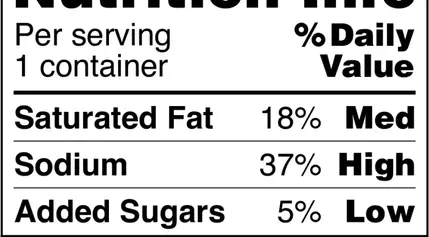
The U.S. Food and Drug Administration (FDA) has introduced a groundbreaking initiative aimed at empowering consumers to make healthier food choices more effortlessly. The new regulation proposes displaying key nutritional information—such as saturated fat, sodium, and added sugars—prominently on the front of packaged foods and beverages. This move is expected to take effect by 2028, giving manufacturers ample time to adapt.
One of the primary goals of this proposal is to simplify decision-making for shoppers who often find themselves overwhelmed by conflicting health claims on product packaging. By providing clear and concise nutritional data upfront, the FDA hopes to guide consumers toward better dietary habits. Dr. Yian Gu, a nutrition expert from Columbia University Medical Center, believes that such transparency will enable individuals to make more informed choices. However, she also emphasizes the importance of educating consumers about the implications of certain nutrients on their health, ensuring they understand how to interpret this new information effectively.
The introduction of these labels aligns with efforts to combat rising rates of diet-related chronic diseases in the United States. Conditions like Type 2 diabetes and heart disease are prevalent, underscoring the need for proactive measures to improve public health. According to the Centers for Disease Control and Prevention, heart disease accounts for one in every five deaths in the country, while nearly half of all adults suffer from obesity. Addressing these issues requires not only regulatory changes but also increased awareness and education about nutrition science.
While some industry groups have expressed concerns over potential consumer confusion, international experiences suggest that front-of-package labeling can positively influence purchasing decisions. Countries like Chile and Brazil have successfully implemented similar measures, leading to shifts in consumer behavior. Research indicates that these labels capture attention and encourage healthier choices, though the extent of their impact may vary across different cultural contexts. Ultimately, the success of this initiative hinges on fostering a culture where health-conscious decisions become second nature to Americans.
Empowering consumers with knowledge is a vital step towards building a healthier society. By placing essential nutritional information directly in the hands of shoppers, the FDA’s proposal aims to bridge the gap between information and action. As we move forward, it is crucial to support these efforts with comprehensive education programs that help individuals understand the significance of making informed dietary choices. Together, these steps can lead to lasting improvements in public health and well-being.