Cars
Revolutionizing F1 Scrutineering: Laser-Powered Precision
The world of Formula 1 has always been a testament to the finest engineering feats, where every millisecond and every millimeter can make the difference between victory and defeat. In the ever-evolving landscape of the sport, the governing body, the FIA, has introduced a groundbreaking new scrutineering process to ensure the integrity of the cars on the grid. This innovative approach, leveraging the power of laser technology, is set to redefine the way teams and officials ensure compliance with the complex aerodynamic regulations.Unlocking the Future of F1 Scrutineering
Embracing the Ground Effect Era
The move to ground effect cars in the 2022 season has ushered in a new era of aerodynamic challenges for the teams. With the increased complexity of the regulations, the FIA recognized the need for a more sophisticated scrutineering process to maintain the fairness of the competition. The introduction of laser-based scanning has revolutionized the way officials verify the designs and dimensions of the cars, ensuring that teams adhere to the prescribed limits and restrictions.Laser Precision: The New Scrutineering Standard
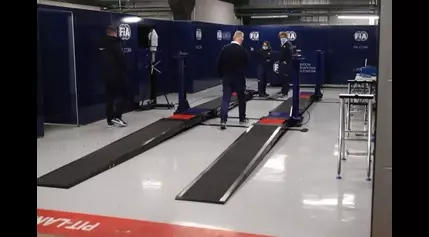
The FIA's laser scanning system has replaced the traditional metal cut-outs, which were no longer suitable for the new generation of ground effect machines. This state-of-the-art technology allows officials to meticulously scan the entire surface of each car, capturing every detail with unprecedented accuracy. By correlating the physical data with the teams' pre-submitted CAD information, the FIA can now ensure that the cars on the track precisely match the designs they have been provided.The Scrutineering Process Evolves
The scrutineering process has undergone a significant transformation, with the FIA now employing a two-tiered approach. First, a quick scan is performed to check basic parameters such as width, height, and ground clearance, ensuring the cars are within the prescribed limits. This is followed by a more detailed surface scan, which provides a comprehensive analysis of the car's geometry, allowing officials to verify compliance with the complex aerodynamic regulations.Promoting Compliance Through Random Scans
To further enhance the integrity of the scrutineering process, the FIA has implemented a random scanning strategy. Teams are no longer aware of when their cars will be subject to the detailed scans, creating an environment where compliance is the only option. This approach not only deters any attempts at rule-bending but also encourages the teams to maintain the highest standards of engineering and design throughout the season.Adapting to the Race Weekend Challenges
Implementing the laser scanning system within the fast-paced environment of a race weekend has presented its own set of challenges. The FIA has had to fine-tune the process, balancing the need for comprehensive checks with the time constraints of the event. While the goal is to eventually scan all cars, the governing body is still learning and refining the techniques to ensure the process is efficient and effective.Ensuring Fairness and Transparency
The enhanced scrutineering process has not only strengthened the FIA's ability to enforce the regulations but has also fostered increased transparency and trust within the sport. Teams can now be confident that their efforts are being assessed fairly, and any discrepancies or concerns can be promptly addressed through the detailed scanning data.Pushing the Boundaries of Compliance
As the sport continues to evolve, the FIA's commitment to maintaining the integrity of the regulations remains unwavering. The laser scanning system is a testament to the governing body's dedication to staying ahead of the curve, ensuring that the competition on the track is a true reflection of the teams' engineering prowess and the drivers' skill.